
10 Wedding Day Details Couples Rarely Think About (But Guests Always Notice)
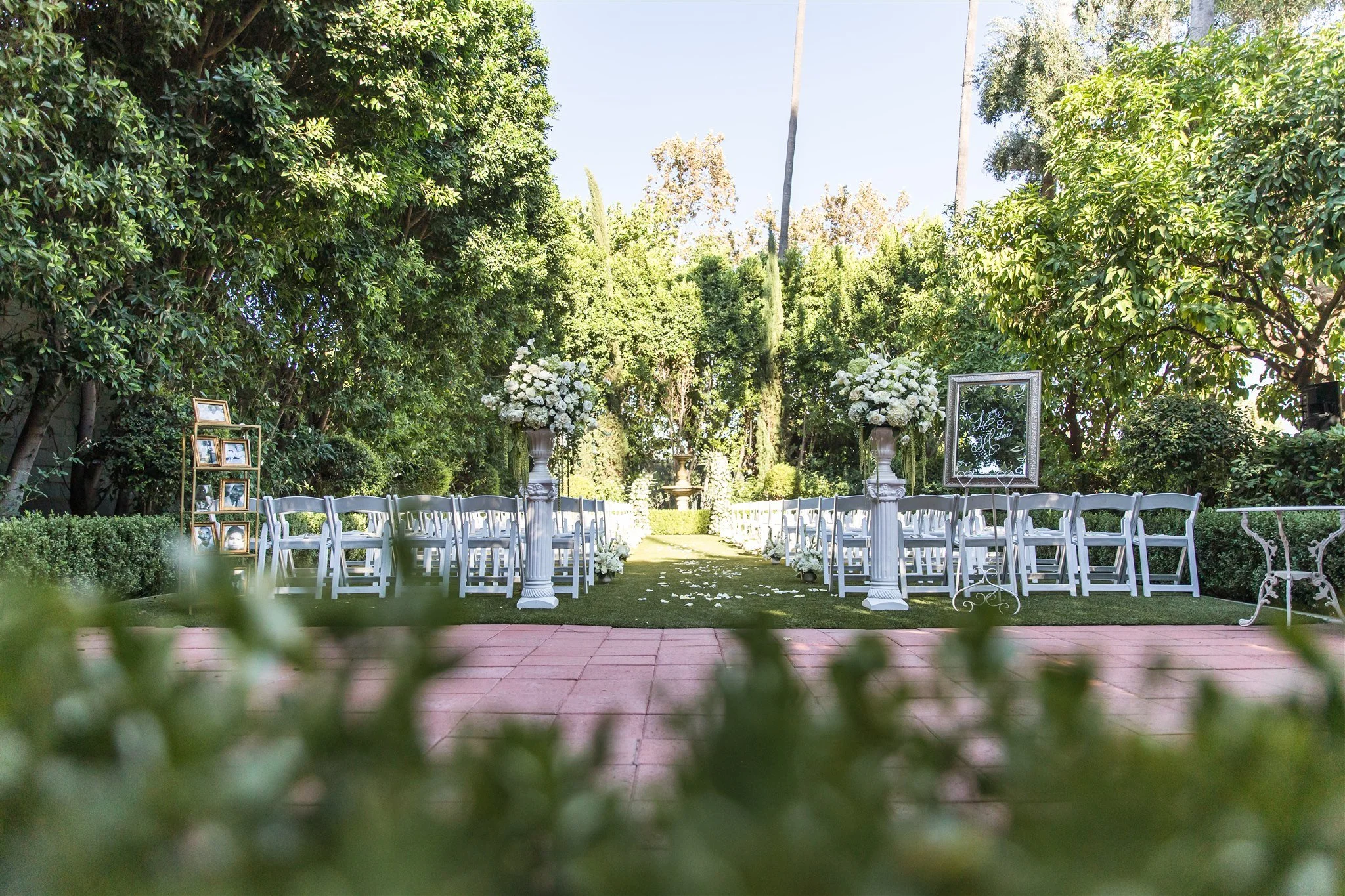
When couples imagine their wedding day, they naturally focus on the big moments: the ceremony, the vows, the first dance. But from a guest’s perspective, the experience is shaped just as much by the in-between moments.
As a Southern California garden wedding venue that hosts weddings week after week, we see firsthand how these quieter details shape how a wedding feels for guests. After hosting hundreds of celebrations at The Christmas House, we’ve learned that it’s often the smallest decisions that leave the biggest impression.
Below are ten wedding day details couples rarely think about, but guests remember long after the celebration ends.
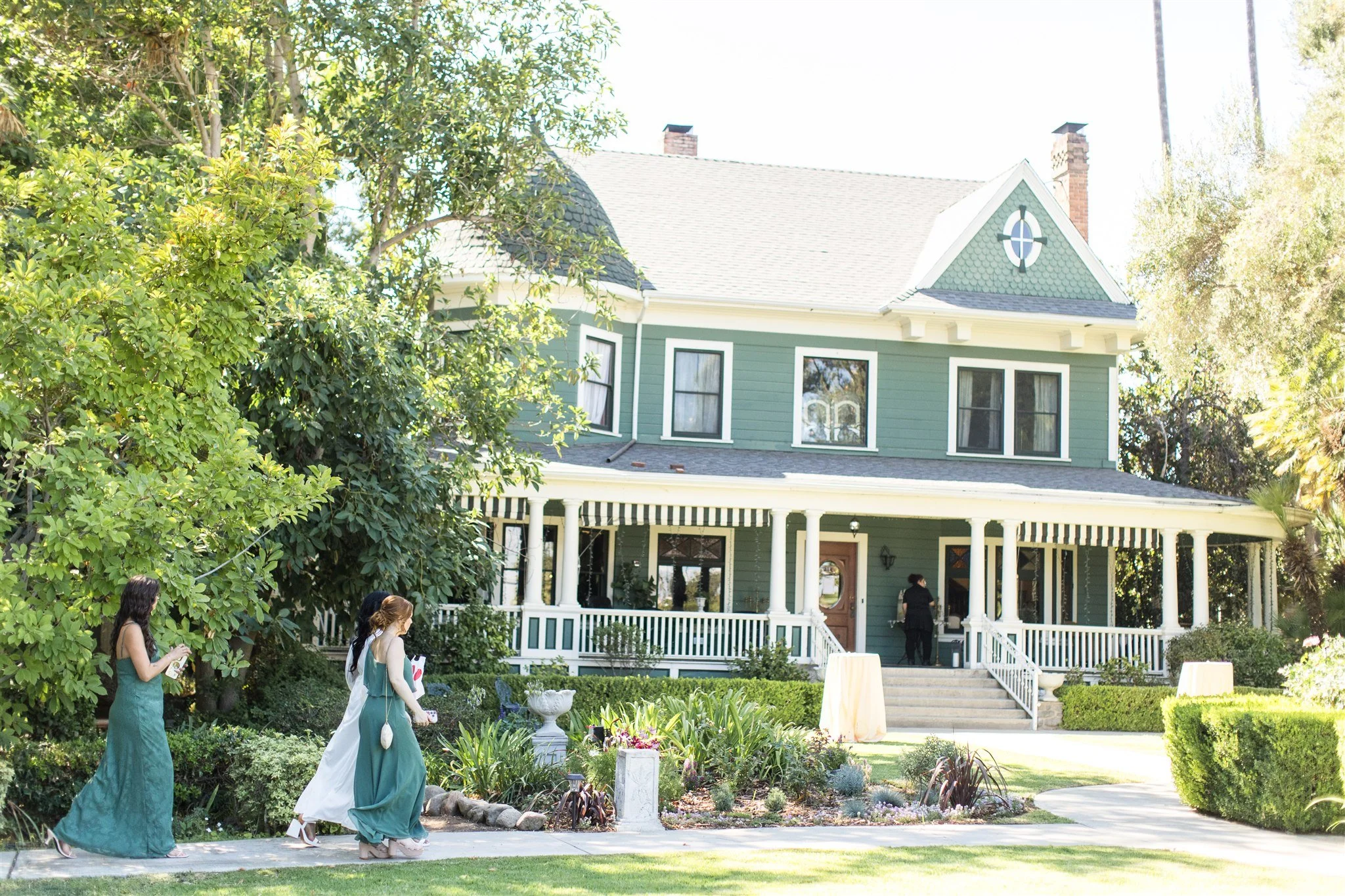
Arrival Timing
The moment your guests arrive sets the tone for the entire day.
When arrival timing is unclear, guests can feel awkward, rushed, or unsure of where to go. When it’s intentional, guests feel relaxed, welcomed, and excited before the ceremony even begins.
A clearly planned arrival window allows guests to settle in, mingle, and enjoy the atmosphere instead of worrying about being too early or too late.
First Impressions
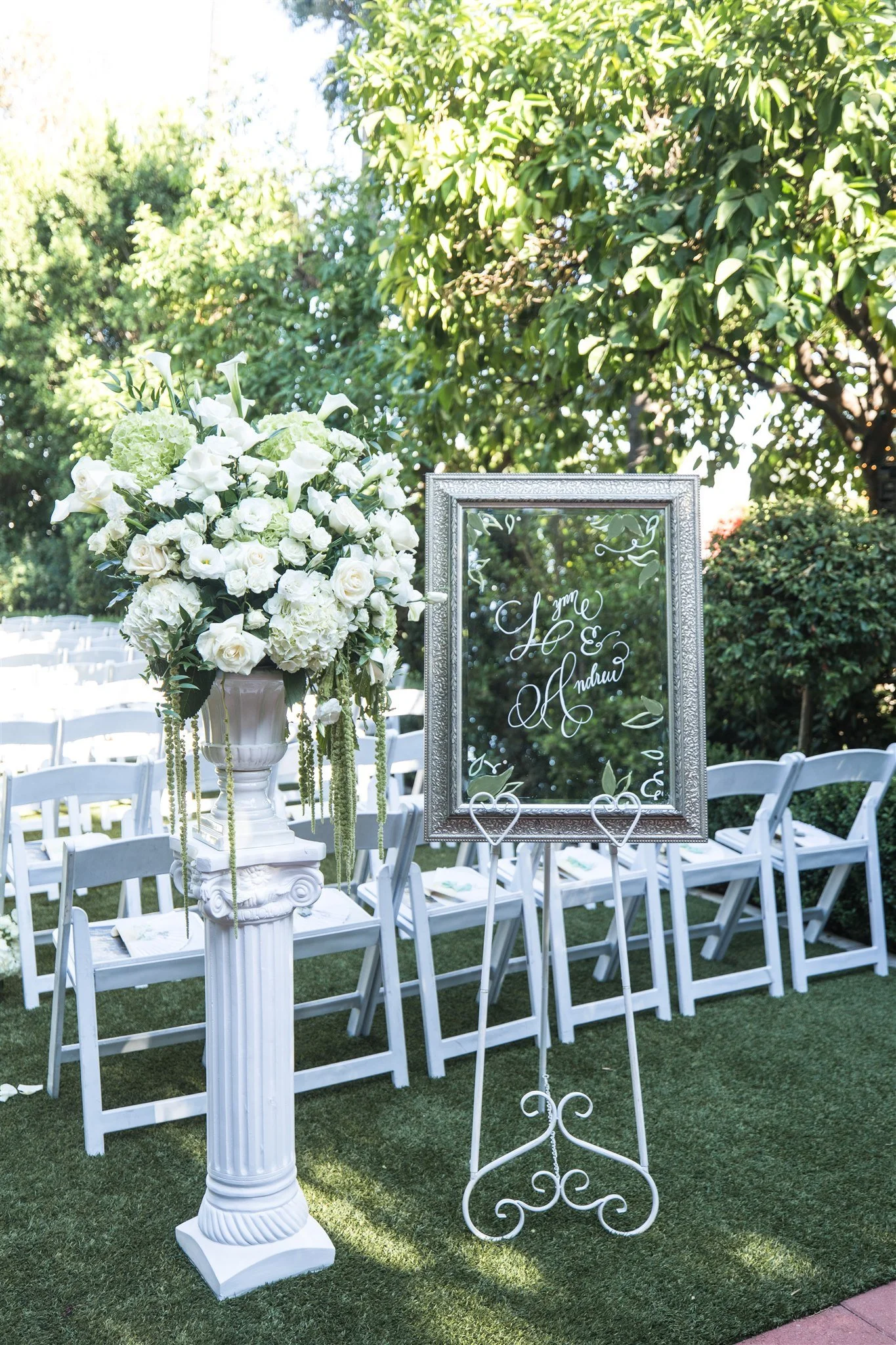
Guests form an impression within seconds of stepping onto the property.
Parking, signage, entry points, and whether someone is there to greet them all matter more than couples often realize. A warm, organized arrival instantly communicates care and sets expectations for what’s to come.
First impressions aren’t about extravagance. They’re about feeling thoughtfully hosted.
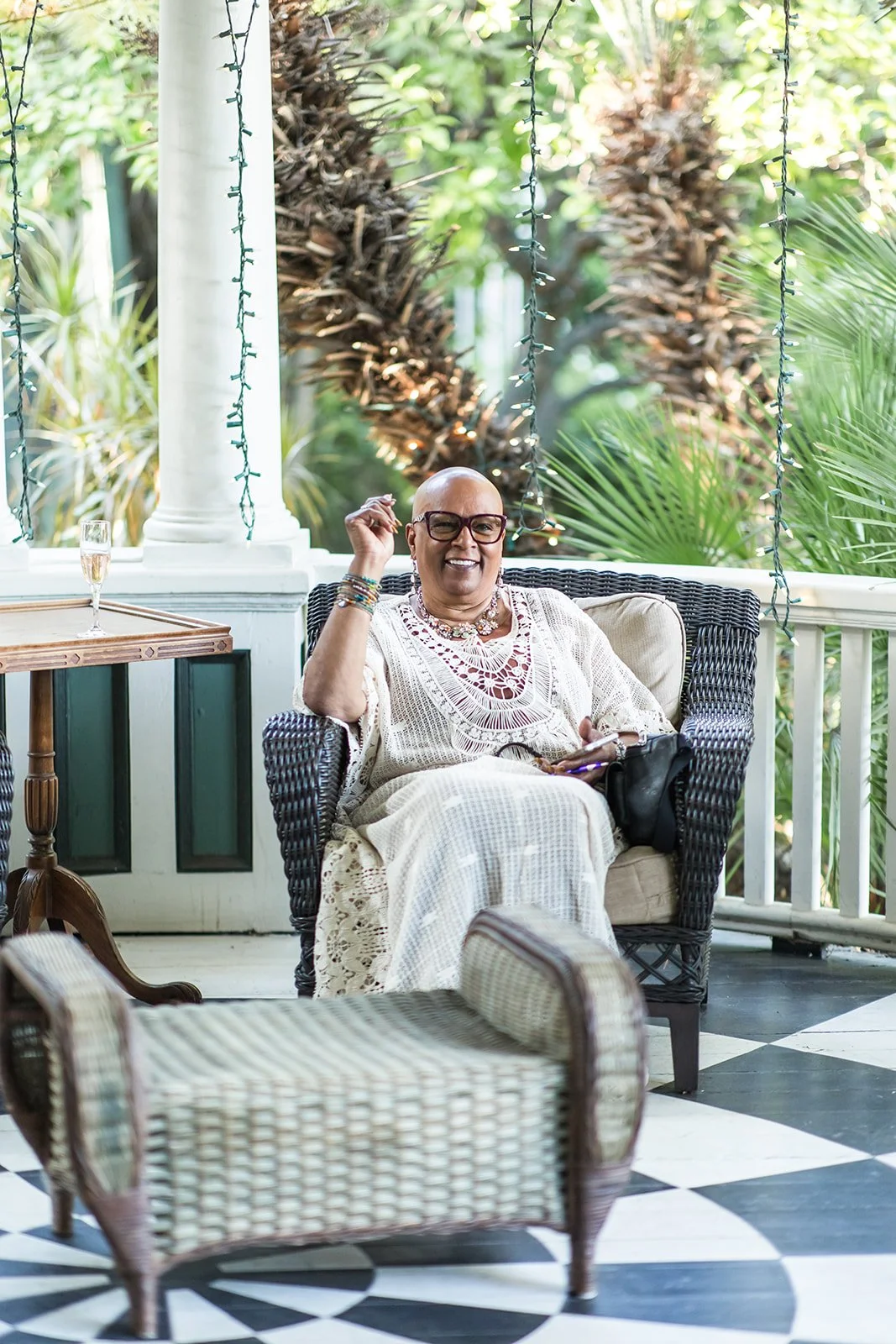

Where Guests Go If They Arrive Early
This is one of the most overlooked details in wedding planning.
Guests often arrive earlier than expected, especially close family and older relatives. Without a clear place to gather, early arrivals can feel like they’re in the way or unsure of where they’re allowed to be.
When early arrival spaces are planned intentionally, guests feel comfortable and welcome instead of awkward or intrusive. It allows them to settle in naturally, without wondering where they should be or whether they’ve arrived too soon.
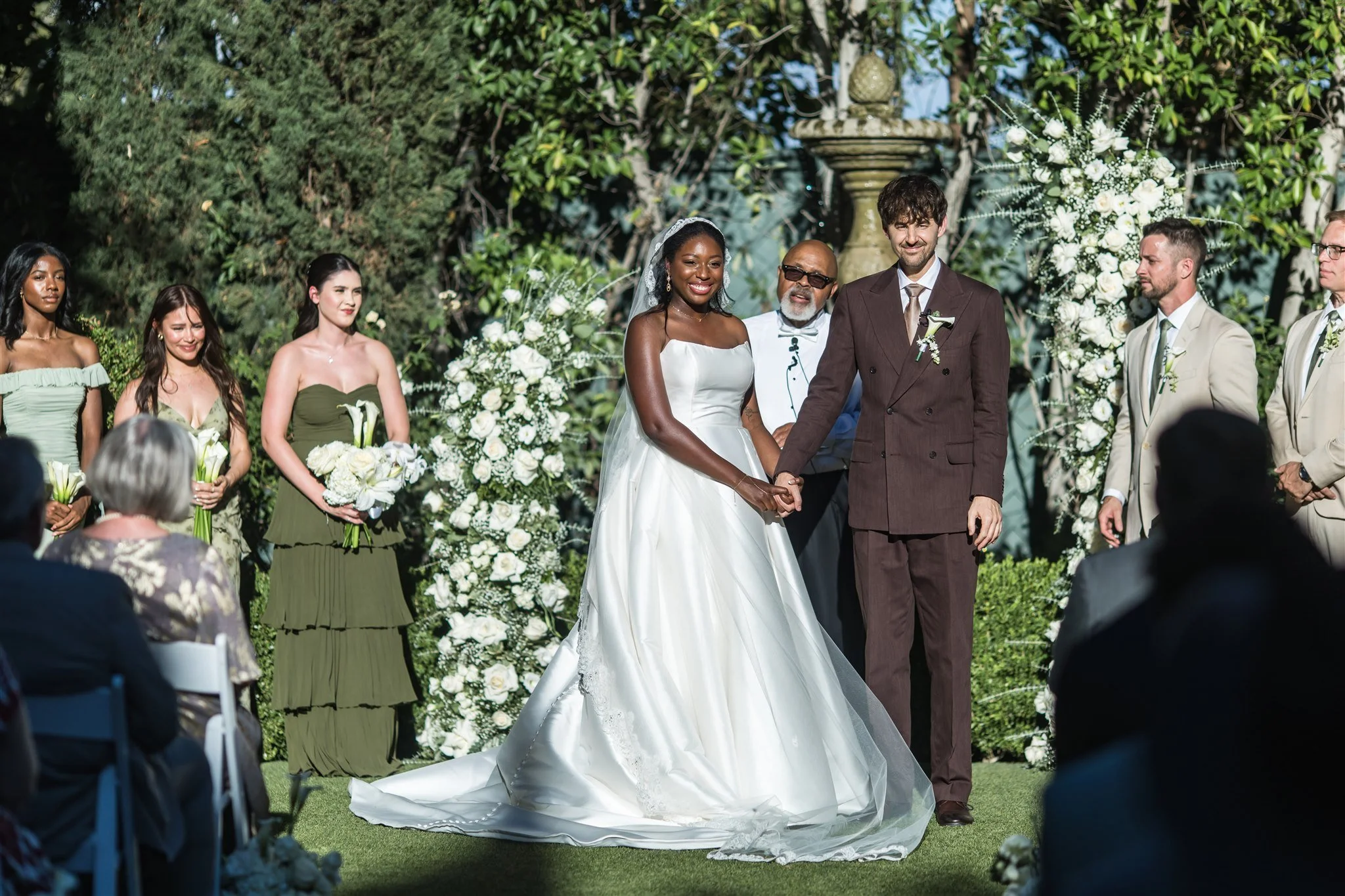
Ceremony Start Time (And Why Honesty Matters)
It’s tempting to list an earlier ceremony time to prevent late arrivals, but this often backfires.
Guests who arrive on time may end up waiting longer than expected, which can feel confusing or frustrating. Wedding etiquette typically encourages guests to arrive 15–30 minutes before the ceremony, so clarity and honesty on invitations matter.
When guests know exactly what to expect, everything flows more smoothly.
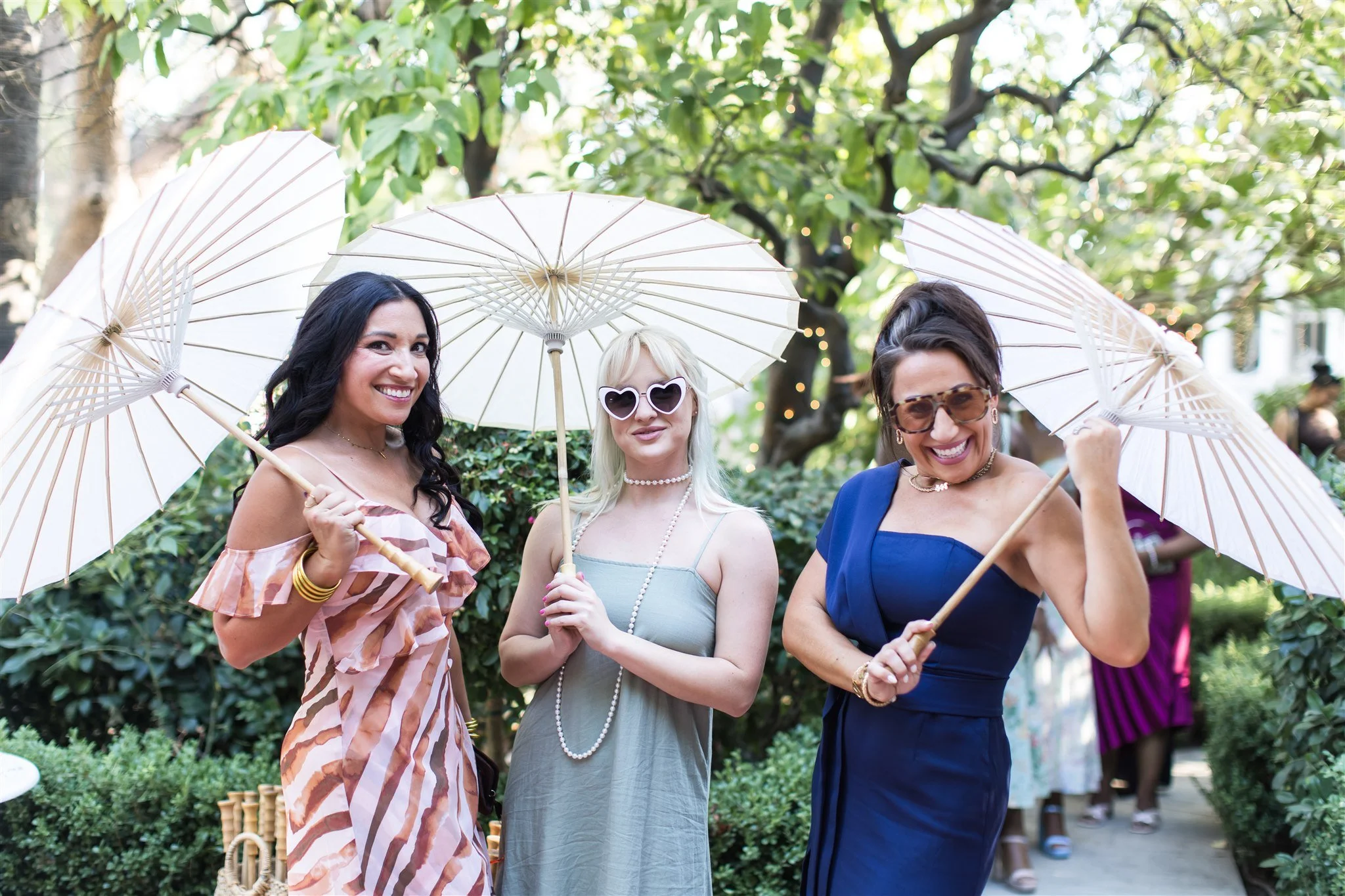
Guest Comfort
Guests remember how comfortable they felt, even if they can’t quite put it into words.
Seating availability, shade, hydration, and small comforts make a significant difference in how relaxed guests feel throughout the day. These details help guests stay present and engaged instead of distracted or uncomfortable.
Comfort is one of the simplest ways to show care.
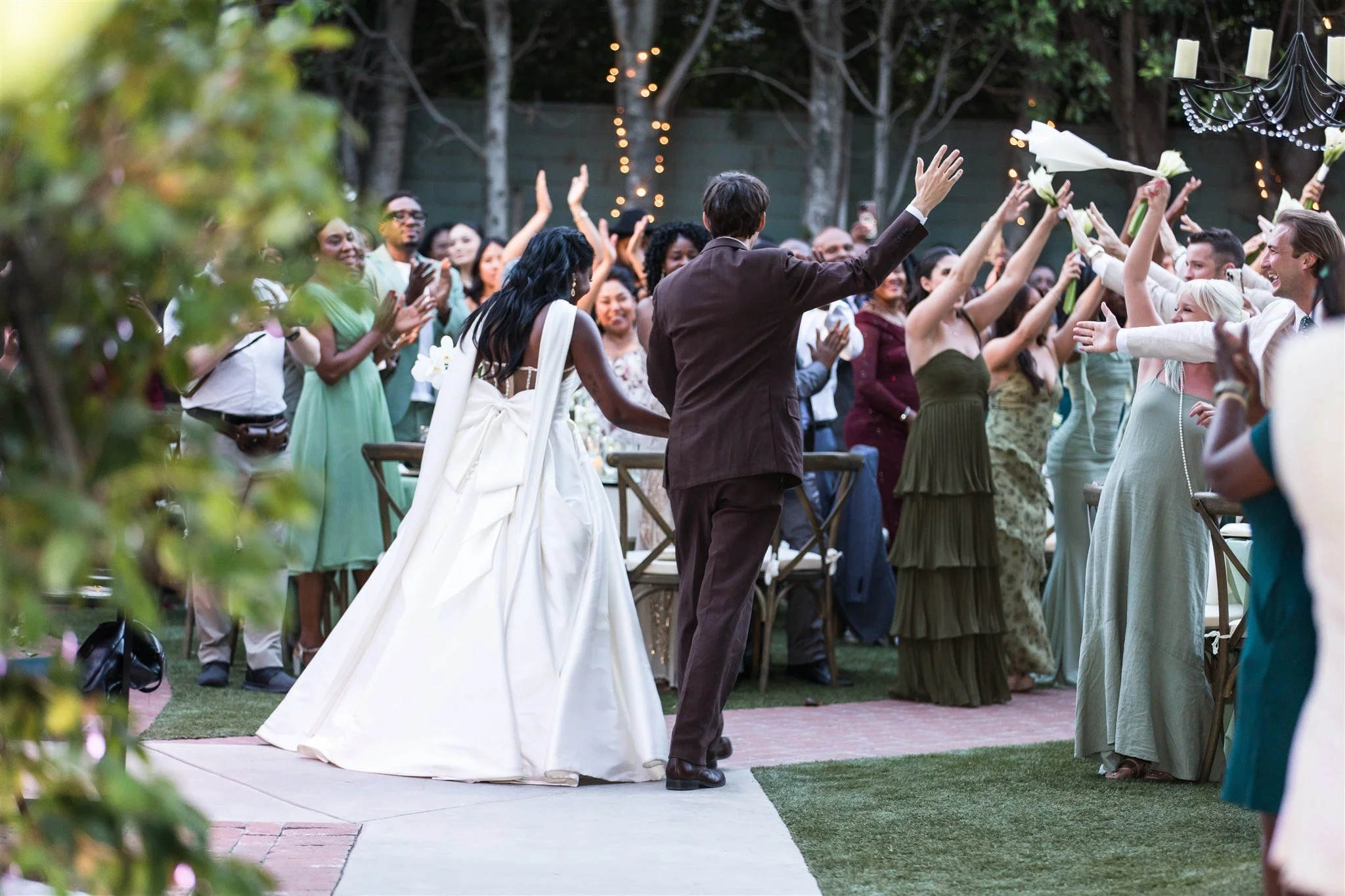
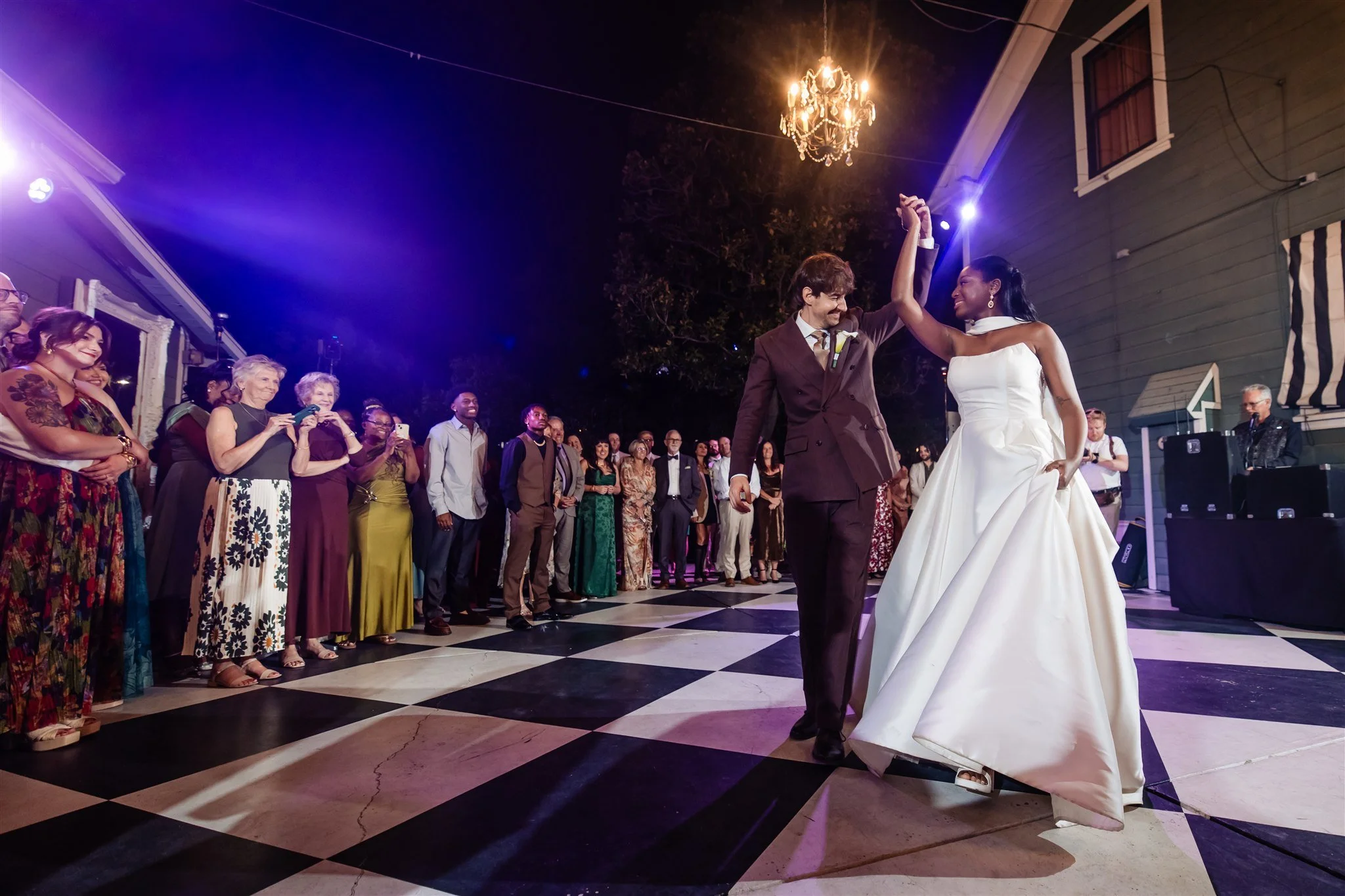
Transition Moments
What happens between the ceremony and dinner is just as important as the main events.
Without clear transitions, guests may feel unsure of where to go or what’s happening next. When transitions are thoughtful, the energy of the celebration continues naturally and effortlessly.
Smooth transitions keep the day feeling intentional rather than rushed or disjointed. You can see how these moments unfold naturally in one of our recent weddings.
Sound and Clarity
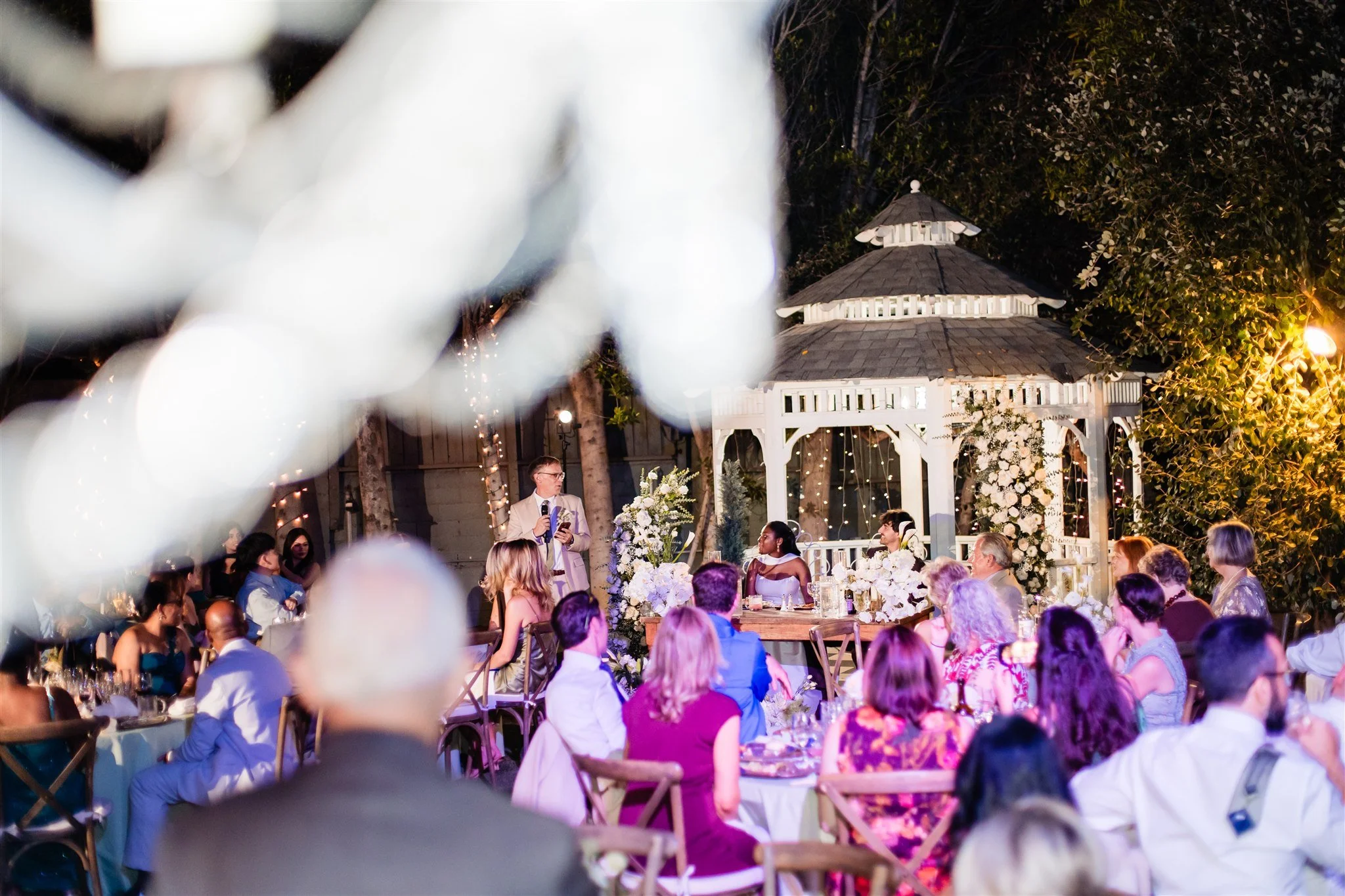
Guests notice when they can’t hear what’s happening.
Whether it’s the ceremony, announcements, or music cues, sound plays a huge role in how connected guests feel to the moment. When audio is clear, guests feel included rather than removed from the experience.
Good sound allows everyone to be fully present.
The Pace of the Evening
A wedding doesn’t need to be packed with events to feel meaningful.
When the pace is too rushed, guests can feel overwhelmed. When it drags, energy can dip. A well-paced evening allows moments to breathe and unfold naturally.
Flow often matters more than a perfectly timed schedule.
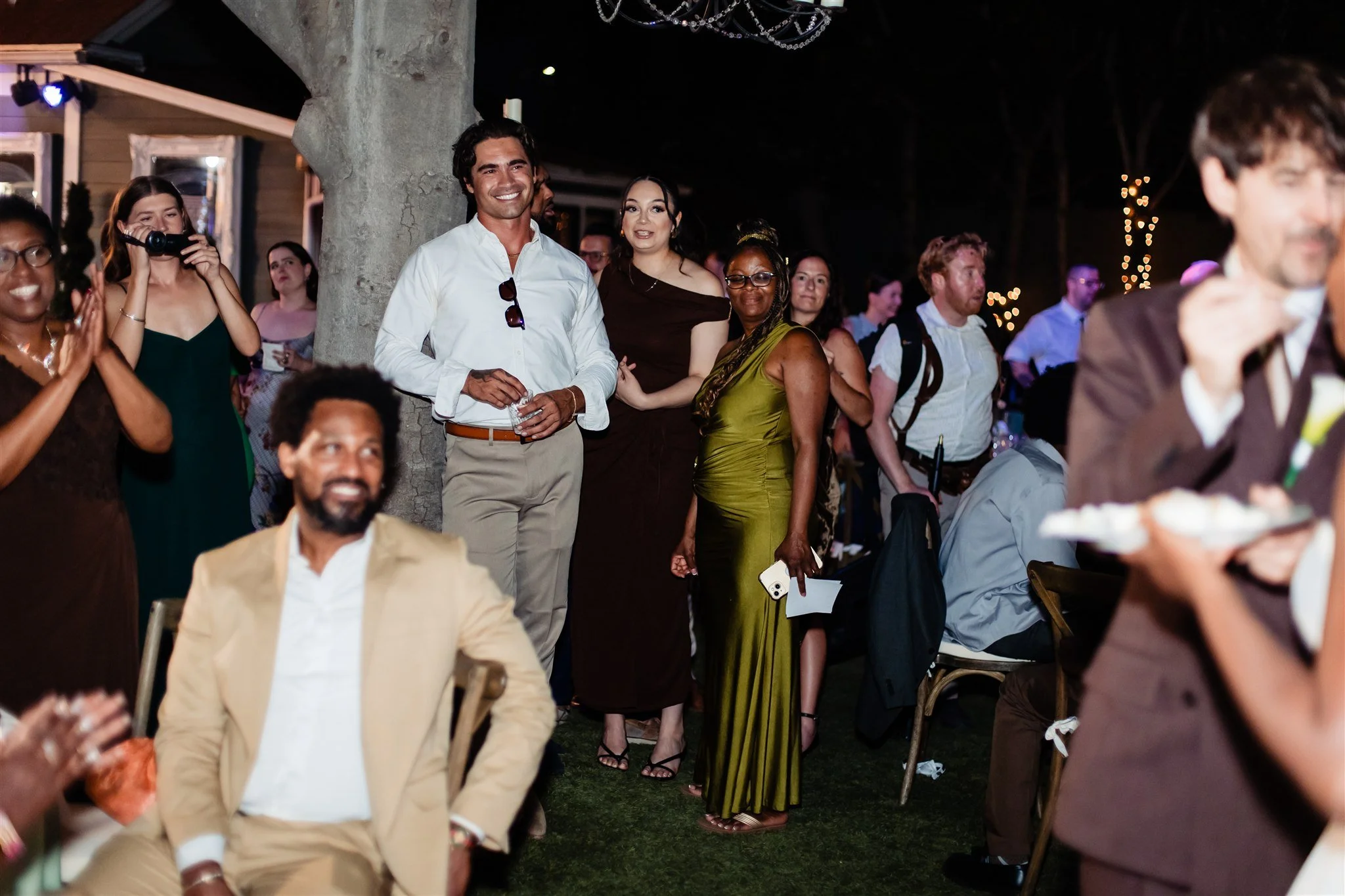
When You Choose to Cut the Cake Matters More Than You Think
Guests often associate the cake cutting with the winding down of the evening.
When the cake is cut early, many guests quietly assume the celebration is coming to a close and may begin making their way out soon after. When it happens later in the evening, guests are more likely to stay engaged, relax into the celebration, and enjoy the full flow of the night.
There’s no right or wrong choice. What matters is understanding how this moment signals pacing to your guests and choosing a timeline that supports the kind of evening you want to create.
The Feeling at the End of the Night
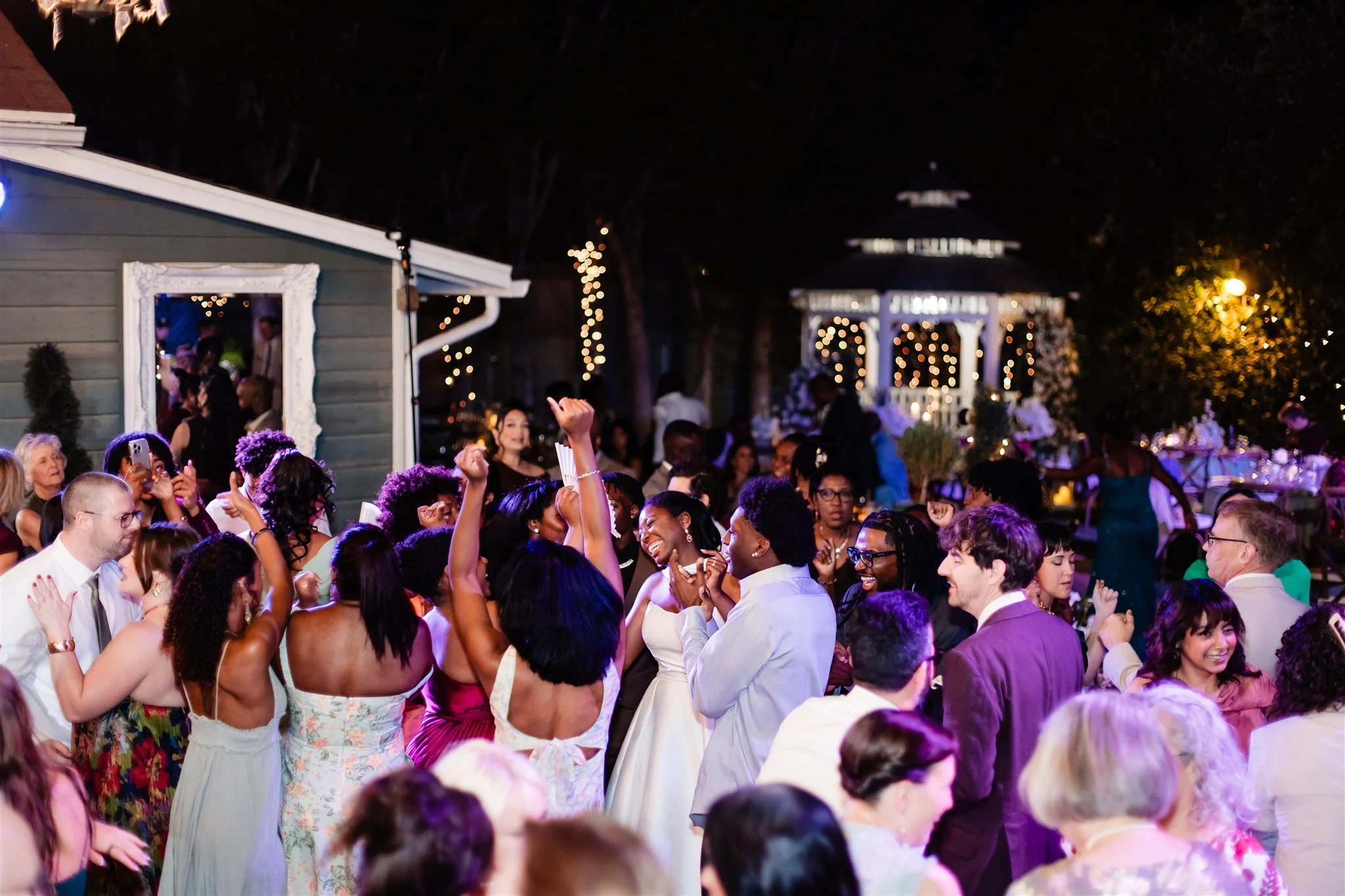
Long after the details fade, guests remember how the day felt.
They remember whether they felt welcomed, relaxed, and included. They remember if the day felt thoughtful and intentional. Those feelings are shaped by dozens of small decisions made long before the wedding day arrives.
These details aren’t about perfection. They’re about care. And when guests feel cared for, the entire celebration feels different.